How to Choose the Right Digital Marketing Tools for Your Irish Business: Attraction, Conversion, and Retention Explained
Digital marketing can feel overwhelming when you're running an Irish business. There are hundreds of tools promising to transform your results, but which ones actually matter?
The truth is, you don't need every shiny new platform. You need the right tools for where your business is right now.
Think of digital marketing as a three-stage journey. First, you attract potential customers. Then, you convert them into buyers. Finally, you keep them coming back for more.
Let's break down exactly which tools work best for each stage and how to choose what's right for your business.
Understanding the Three Stages
Every successful digital marketing strategy follows the same basic flow. You bring people in, turn them into customers, and build lasting relationships.
Most Irish businesses make the mistake of jumping straight to fancy retention tools when they're still struggling to attract visitors. Or they invest heavily in advertising but have a website that can't convert anyone.
The key is matching your tools to your current biggest challenge.

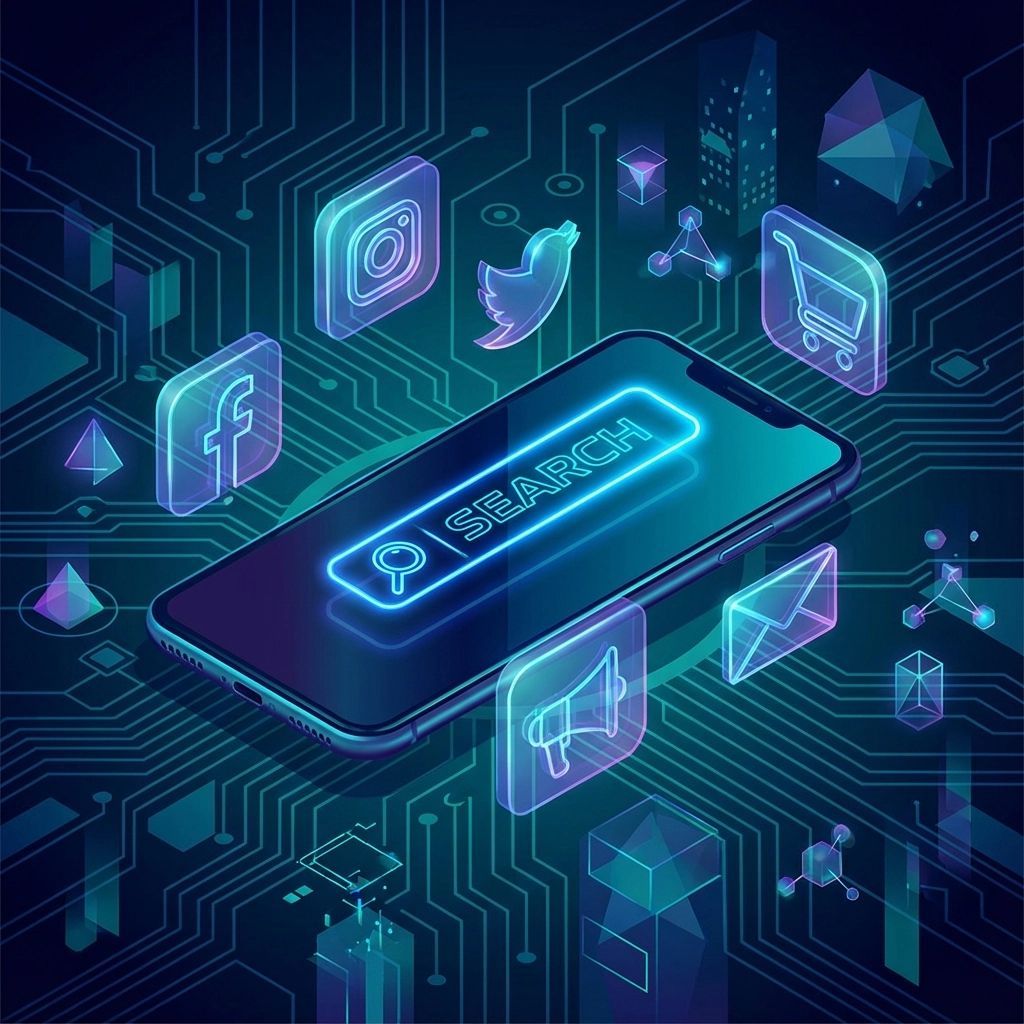
Stage 1: Attraction - Getting Found by the Right People
Attraction is about putting your business in front of potential customers who are actively looking for what you offer.
SEO and Local SEO: Your Foundation
SEO helps people find you when they search online. Local SEO does the same thing but focuses on searches in your area.
If you run a plumbing business in Cork, local SEO ensures you show up when someone searches "emergency plumber Cork" at 2am on a Sunday.
SEO takes 3-6 months to show results, but it's worth the wait. Local SEO works faster - often within 4-8 weeks - because you're competing in a smaller area.
Start with local SEO if you serve customers face-to-face. It's easier to rank for "accountant Galway" than "accountant Ireland."
Paid Advertising: Quick Results
While SEO builds long-term visibility, advertising gets you noticed immediately. Google Ads puts you at the top of search results within hours.
Facebook and Instagram ads work brilliantly for businesses with visual products or services. They're perfect for restaurants, fitness studios, or retail shops.
The key is starting small. Test with €50-100 per week and see what works before scaling up.
Social Media: Building Your Community
Social media isn't just about posting pretty pictures. It's about being where your customers spend their time.
LinkedIn works best for B2B businesses. Instagram and Facebook suit lifestyle brands. TikTok is growing fast for younger audiences.
Pick one platform and do it well rather than spreading yourself thin across five.
Stage 2: Conversion - Turning Visitors into Customers
You've attracted people to your business. Now you need to convince them to buy.
Your Website: Your Digital Shopfront
Your website is where conversions happen. It needs to be fast, mobile-friendly, and crystal clear about what you offer.
Every page should have a clear call-to-action (CTA). "Book a consultation," "Get a quote," or "Shop now" - make it obvious what you want visitors to do next.
Lead magnets work brilliantly for service businesses. Offer a free guide, checklist, or consultation in exchange for contact details.
Landing Pages: Focused Conversion
Landing pages are special pages designed for one purpose - getting visitors to take action. They're perfect for advertising campaigns.
Instead of sending ad clicks to your homepage, create a dedicated page that matches your ad message exactly.
A good landing page removes distractions and focuses entirely on one offer.
Email Marketing: Nurturing Leads
Not everyone buys immediately. Email marketing lets you stay in touch with potential customers until they're ready.
Set up automated email sequences that introduce your business, share useful tips, and gradually build trust.
Tools like Mailchimp or ConvertKit make this easy, even if you're not technical.
Live Chat and Contact Forms
Make it easy for visitors to ask questions. Live chat can increase conversions by 20% or more.
Even a simple contact form helps. The key is responding quickly - within an hour if possible.

Stage 3: Retention - Building Long-Term Relationships
Keeping existing customers costs far less than finding new ones. Retention is where the real profit lives.
Email Newsletters: Staying Top of Mind
Regular newsletters keep your business in customers' minds. Share useful tips, company updates, or special offers.
The goal isn't selling in every email. Focus on being helpful and building relationships.
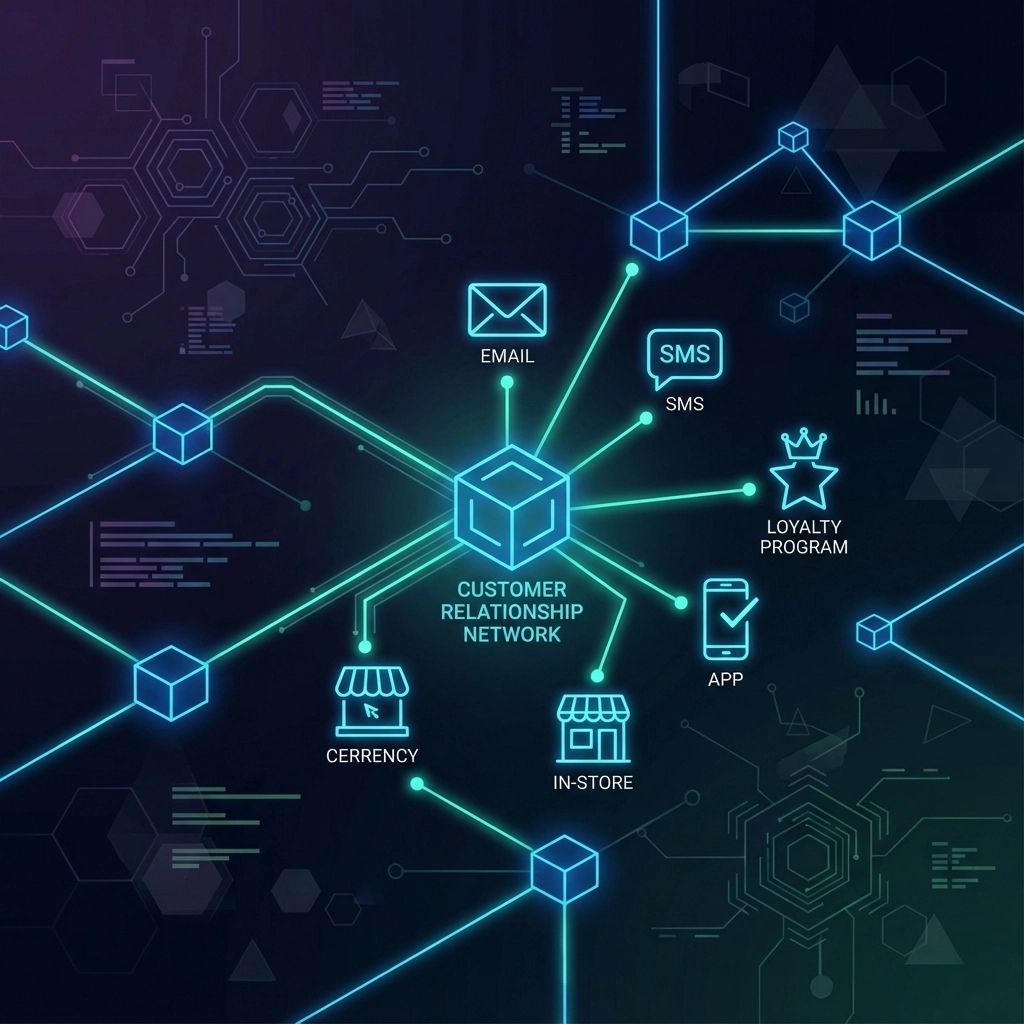
CRM Systems: Organizing Customer Relationships
Customer Relationship Management (CRM) systems track every interaction with your customers. They help you spot opportunities and provide better service.
A good CRM can send automatic follow-up emails, birthday messages, or service reminders.
Loyalty Programs: Rewarding Repeat Business
Loyalty apps and programs encourage customers to return. They work especially well for retail, hospitality, and service businesses.
Simple punch cards still work, but digital loyalty programs provide better data and automation.
SMS Marketing: Direct Communication
Text messages get read within minutes. Use SMS for appointment reminders, special offers, or urgent updates.
Keep messages short and valuable. Too many promotional texts will irritate customers.
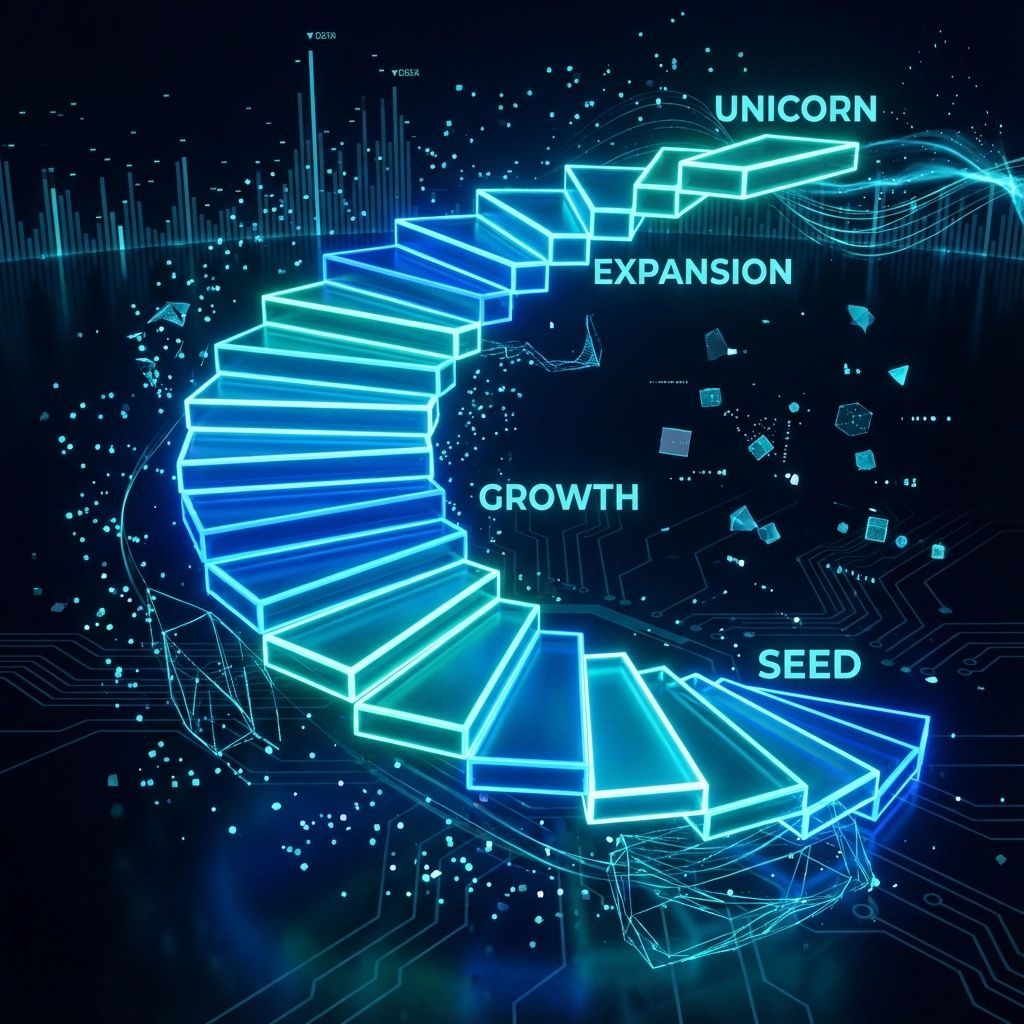
What to Choose Based on Your Business Stage
Starting Out (0-12 months)
Focus on attraction first. You need customers before you can retain them.
Start with local SEO and one social media platform. Create a simple website with clear CTAs.
Skip fancy automation tools for now. Focus on delivering great service and building your reputation.
Growing (1-3 years)
Add paid advertising to accelerate growth. Invest in email marketing to nurture leads.
Implement basic CRM to track customer interactions. Create lead magnets to capture more contact details.
Established (3+ years)
Now you can focus on retention. Implement loyalty programs and automated email sequences.
Use SMS marketing for urgent communications. Invest in advanced CRM features for better customer service.
Practical Steps to Get Started
Week 1: Audit Your Current Situation
List all the marketing tools you're currently using. Are they actually helping you achieve your goals?
Identify your biggest challenge: attracting visitors, converting them, or keeping them engaged.
Week 2: Choose Your Priority
Pick one area to focus on first. Don't try to fix everything at once.
If you have plenty of website visitors but few sales, work on conversion. If nobody knows you exist, focus on attraction.
Week 3: Implement One Tool
Choose one tool from your priority area and implement it properly. It's better to use one tool well than five tools poorly.
Week 4: Measure and Adjust
Track your results. Are you getting more visitors, leads, or sales? Use this data to decide your next step.
Common Mistakes to Avoid
Don't buy every tool that promises instant success. Most successful businesses use 3-5 core tools, not 20.
Don't ignore mobile users. Over 50% of web traffic comes from mobile devices in Ireland.
Don't set up tools and forget about them. Digital marketing requires regular attention and optimization.
Don't copy what works for other businesses blindly. Your customers and situation are unique.
Making It All Work Together
The best digital marketing strategies integrate all three stages smoothly.
Your SEO content attracts visitors. Your website converts them into leads. Your email marketing nurtures them into customers. Your loyalty program keeps them coming back.
Each tool should support the others. Your social media posts can drive traffic to your website. Your website captures emails for your newsletter. Your newsletter promotes your loyalty program.
Think of your digital marketing as a funnel, not separate activities.
Getting Professional Help
You don't have to figure this out alone. Many Irish businesses benefit from professional guidance, especially when choosing and implementing the right tools.
If you're feeling overwhelmed or not seeing the results you want, consider working with a local digital marketing agency that understands Irish business needs.
The investment in getting it right from the start often pays for itself through better results and less wasted time.